The origin story
I grew up working on a farm in Louisiana, and for a long time, farming for profit sat uneasy with me — I just didn't know why. Raising and killing animals for a living made sense on paper, but it started to feel exploitative, and it wore a groove in my thinking. I noticed how much got thrown away and taken for granted without a second look.
The turn came while I was field-dressing a rabbit. Standing there with the organs in my hands — the parts most people toss into a bucket without thinking twice — it hit me: what folks used to know and mostly don't anymore is that offal isn't waste. It's the part of the animal old traditions treated as sacred, useful, even magical, and modern life just quietly stopped bothering with.
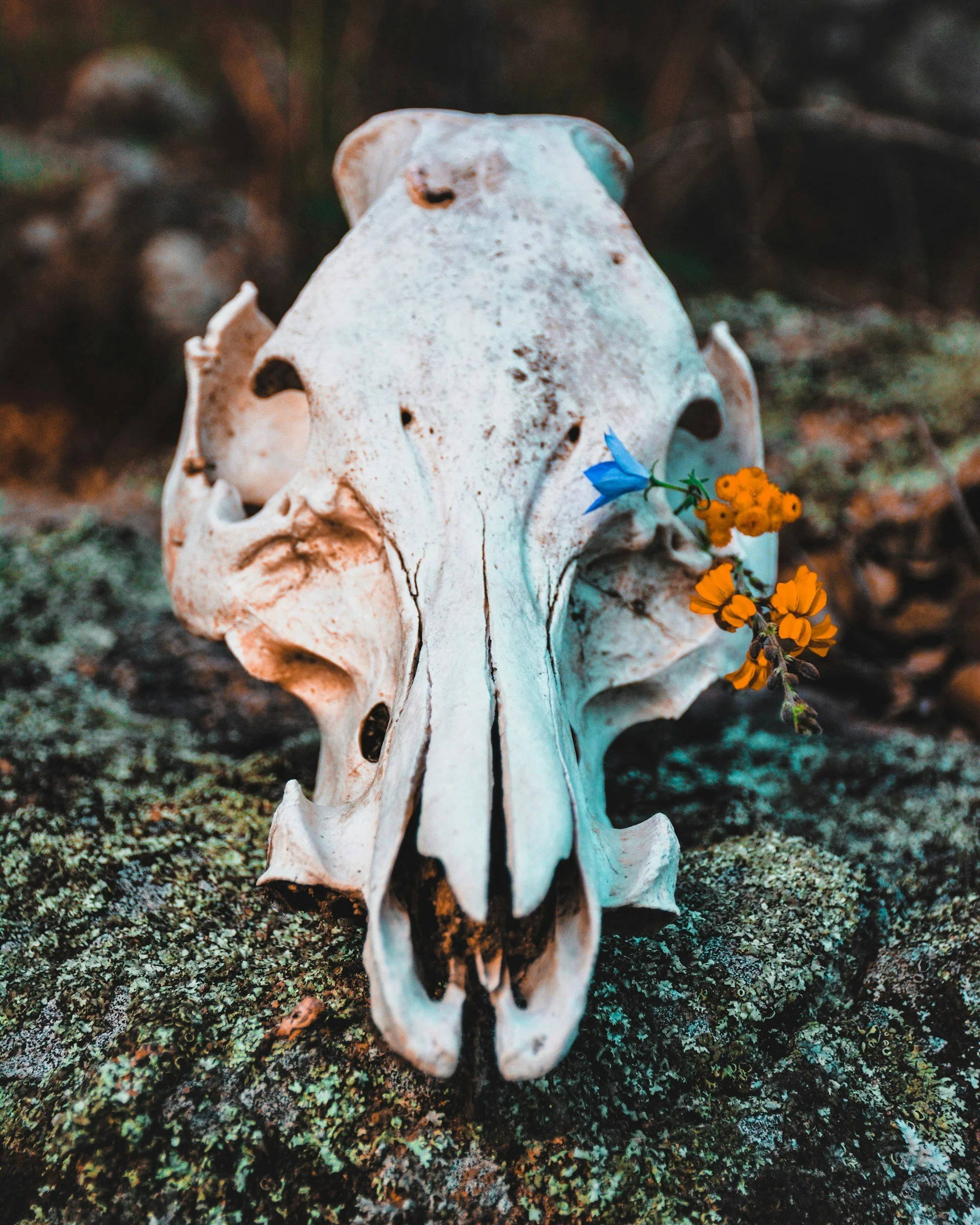
That's the whole idea behind Awful Witchcraft as a tradition. Take the offal — the bits everybody else throws out — and honor it: in the kitchen, in the medicine cabinet, on the altar. Old-world butchery, herbalism, and folk magic aren't separate skills here. They're one practice — a way of working, living, and worshipping that all point the same direction. There's magic in the relationship to the animal itself, to the land it came from, and to what's left when the meat is gone. The same forgotten parts that get thrown away are not waste — they're how we close the loop that industrial farming broke a long time ago.